
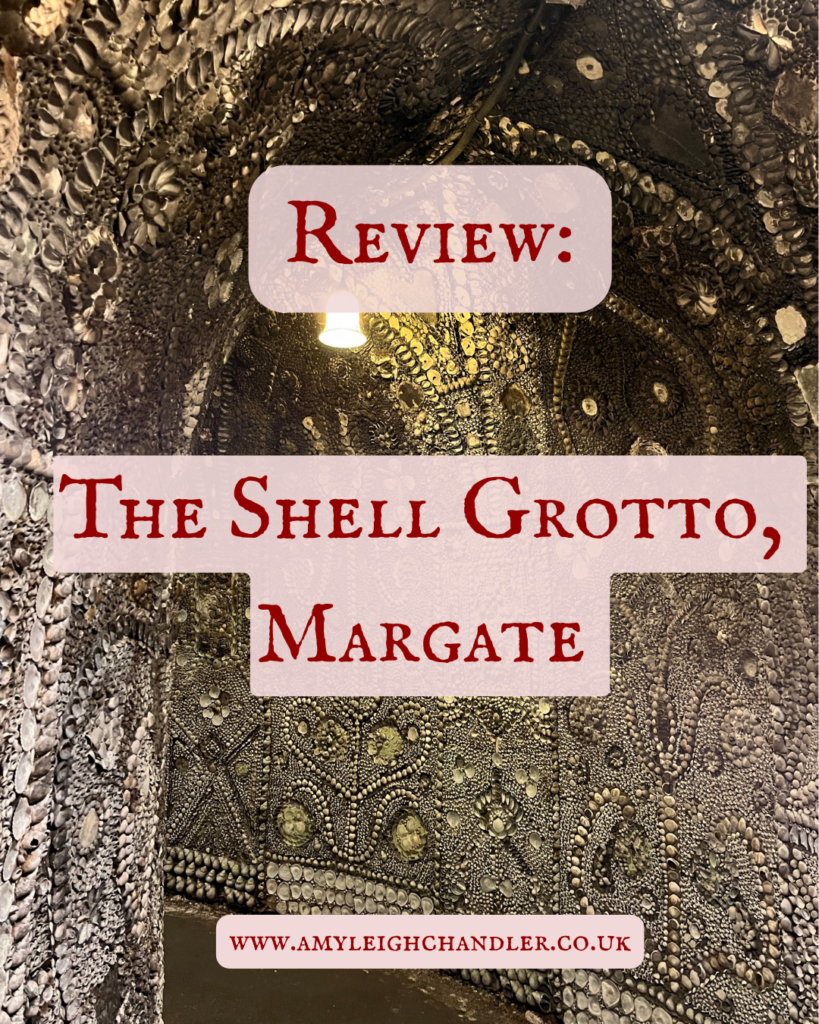
Nestled beneath an unassuming building in the centre of Margate is a place of such wonder and mystery covered from wall to ceiling in a variety of seashells – 4.6 million to be exact! The Shell Grotto was found in 1835 and initially seen as a tourist attraction after a man bought the cottage above and began excavating underneath the house, where workmen discovered a stone structure a few feet below the ground.
The grotto consists of one large room with chalk walls and a connecting corridor with swirling intricate patterns and designs. The grotto remains privately owned, but in 1973 became a Grade 1 listed building overseen by Historic England in the preservation of the shells. Originally the grotto was illuminated by gas lamps for a 100 years, and this has caused the shells to become discoloured over time, while many suggest the shells are white underneath the film of carbon deposits. The dull complexion of the shells creates a much more eery and somber atmosphere more akin to catacombs rather than an uplifting space. The white shells must have been a feast for the eyes when it was first created. The mystery of why such a strange space exists only adds to the allure for this attraction.
The real mystery lies with what the purpose of such a magnificent structure was – a folly? a religious alter? or a smuggler’s cave? These are all questions that do not have an answer, judging by the layout and patterns of the shells, I wonder if it was created to become a crypt or final resting place for a loved one. This is particularly due to the main room at the end of the passageway – potentially similar to Egyptian tombs. To enter the grotto visitors are required an entrance fee before heading through to a small room detailing the history and origins of Margate’s most baffling works of art. Once visitors have acquainted themselves with the different types of shells from oysters, whelks, mussels and cockles – all shells predominantly found in the British isles. Visitors make their way down several stone steps, and immerse themselves in intricately created patterns that are all up for interpretation; from symbols suggesting worship of gods, goddesses, life and love. Considering the age of the shells and how many visitors have walked these passageways, the walls are still carefully preserved to give visitors a taste of what the Victorians would have experienced when they first ventured down to the shell grotto.
While visiting the grotto doesn’t take long, it is a worthwhile trip to marvel at the design and preservation of this unusual discovery. When walking around the grotto I was in awe that one: someone could collect so many shells, two: how this exists and nobody can quite explain why, and finally, three: I wonder what sort of conversations took place in the quiet of the passageway and what stories have been lost to the sands of time.
Stay updated
Amy is a writer and reviewer and her action-packed debut novel, CORNELIA FAIRFIELD AND THE DARKENED HEART is set to be published on 19 May 2026! Available in paperback here: WATERSTONES, AMAZON (ebook here), FOYLES,HATCHARDS. For more content read Amy’s book reviews, short stories and updates on Amy’s writing journey posts.
Don’t forget to follow Amy on TikTok, X and Instagram.

Sign up to Amy's newsletter for exclusive content, updates and reviews!